Pourquoi choisir l’Expédition Banda Sauvage ?
La plus belle introduction à la mer de Banda
Pour de nombreux plongeurs, les légendaires îles aux Épices marquent le début de l’aventure en mer de Banda. Avec l’Expédition Banda Sauvage, nous vous emmenons plus loin, au cœur des îles oubliées du sud-est des Moluques, avant de rejoindre les mythiques îles Banda. Conçu pour les voyageurs en quête d’exploration, cet itinéraire combine les sites de plongée emblématiques de la mer de Banda avec des récifs isolés, des villages reculés et des escales rarement proposées par les croisières plongée traditionnelles.
Une véritable expédition, pensée pour être pleinement vécue
Bien qu’il s’agisse d’une véritable expédition, son rythme a été conçu pour privilégier l’expérience plutôt que les longues traversées. Les navigations sont plus équilibrées que sur nos grandes expéditions de la mer de Banda, laissant davantage de temps pour explorer les îles, profiter des escales à terre et passer plusieurs nuits paisibles au mouillage, notamment dans le port historique de Banda Neira. Cet itinéraire se combine également parfaitement avec quelques jours à Ambon, l’une des meilleures destinations d’Indonésie pour le muck diving.
À la découverte de la Mer de Banda sauvage
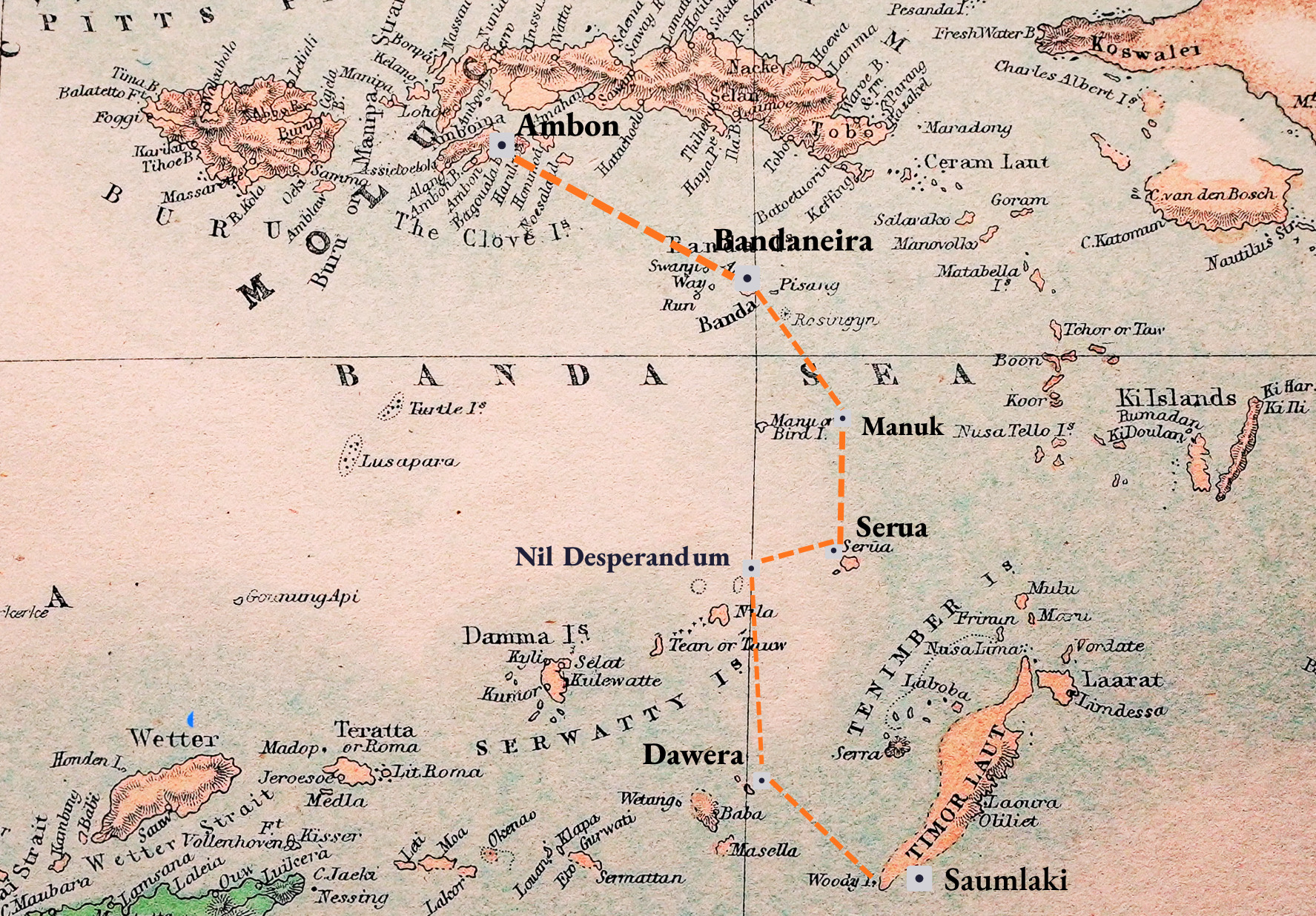
En quittant Saumlaki, l’expédition plonge immédiatement au cœur des paysages isolés de l’archipel des Tanimbar et du sud-est des Moluques. Ici, chaque mille nautique éloigne un peu plus des routes habituelles et renforce cette impression d’exploration.
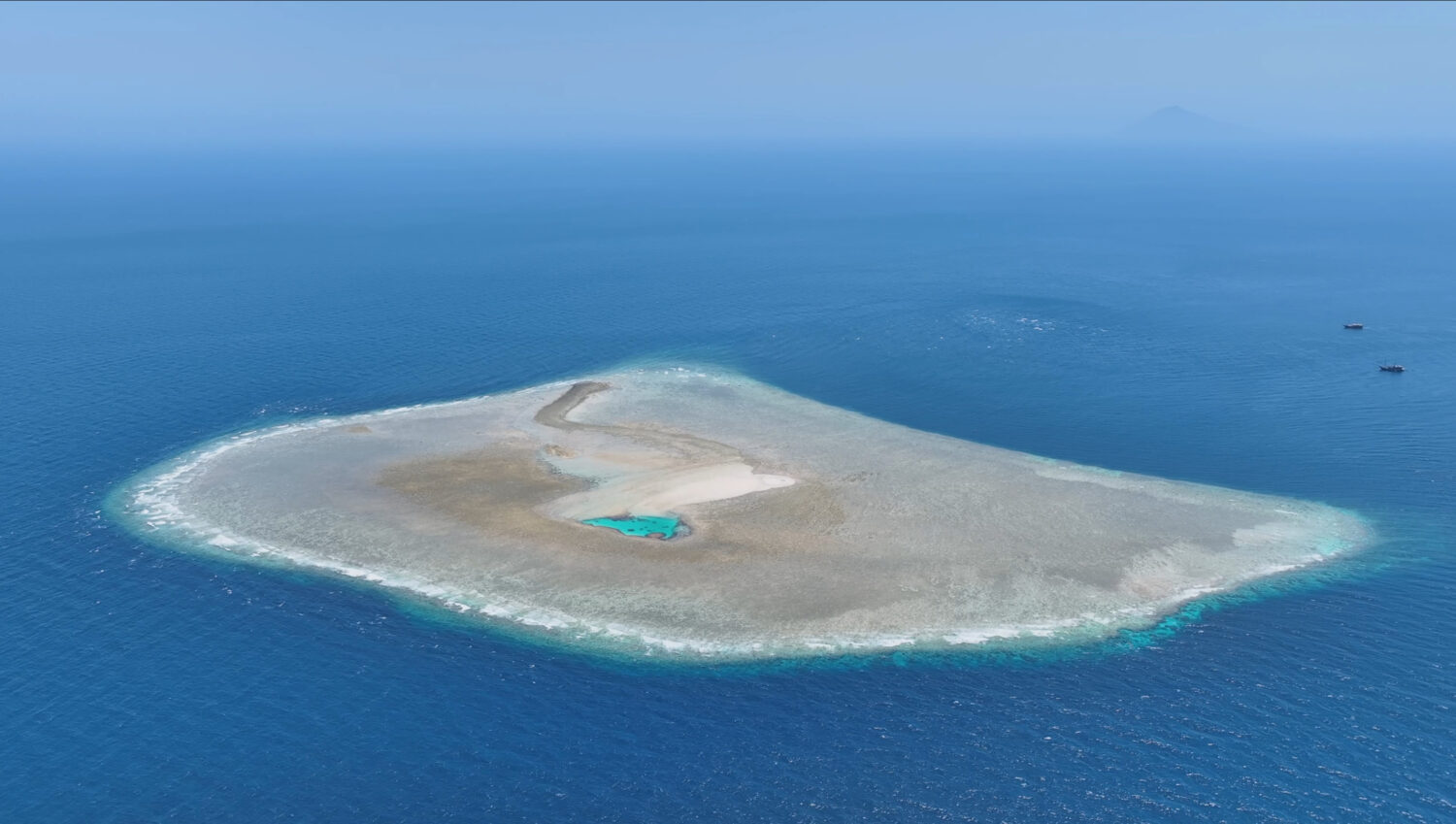
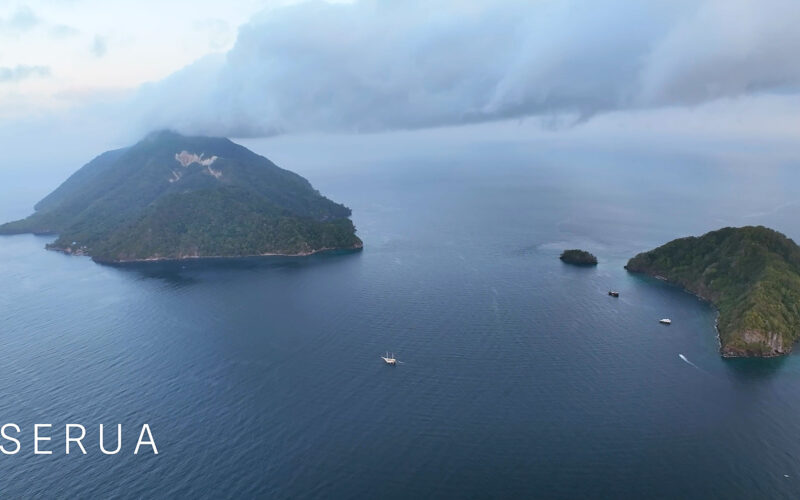
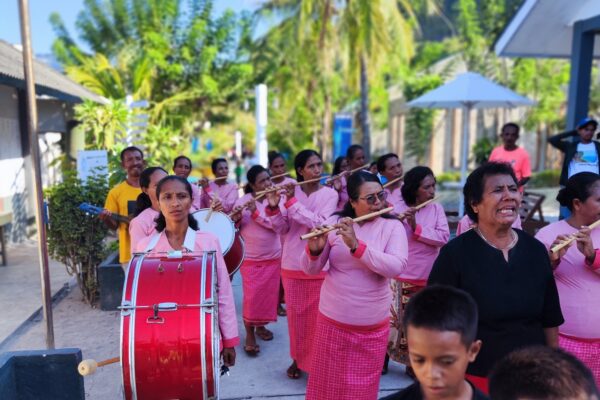
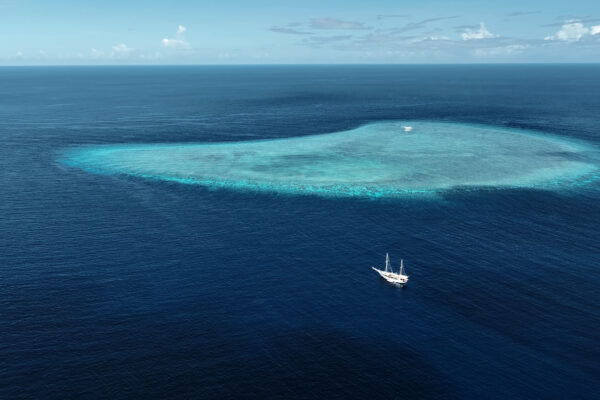
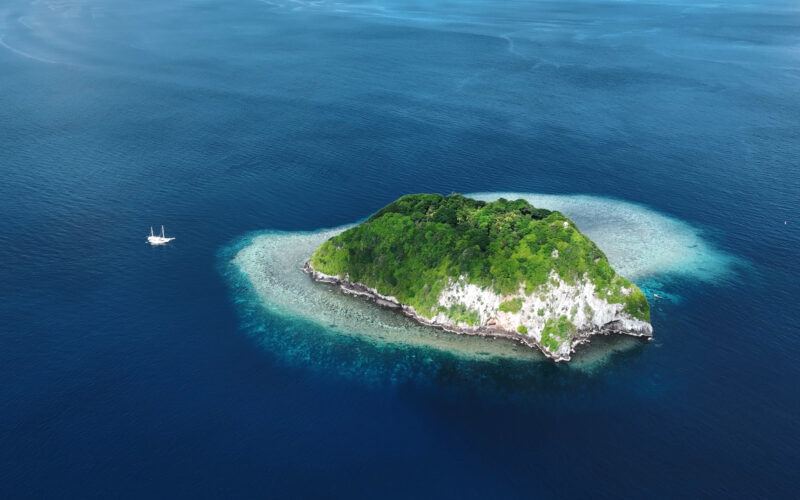
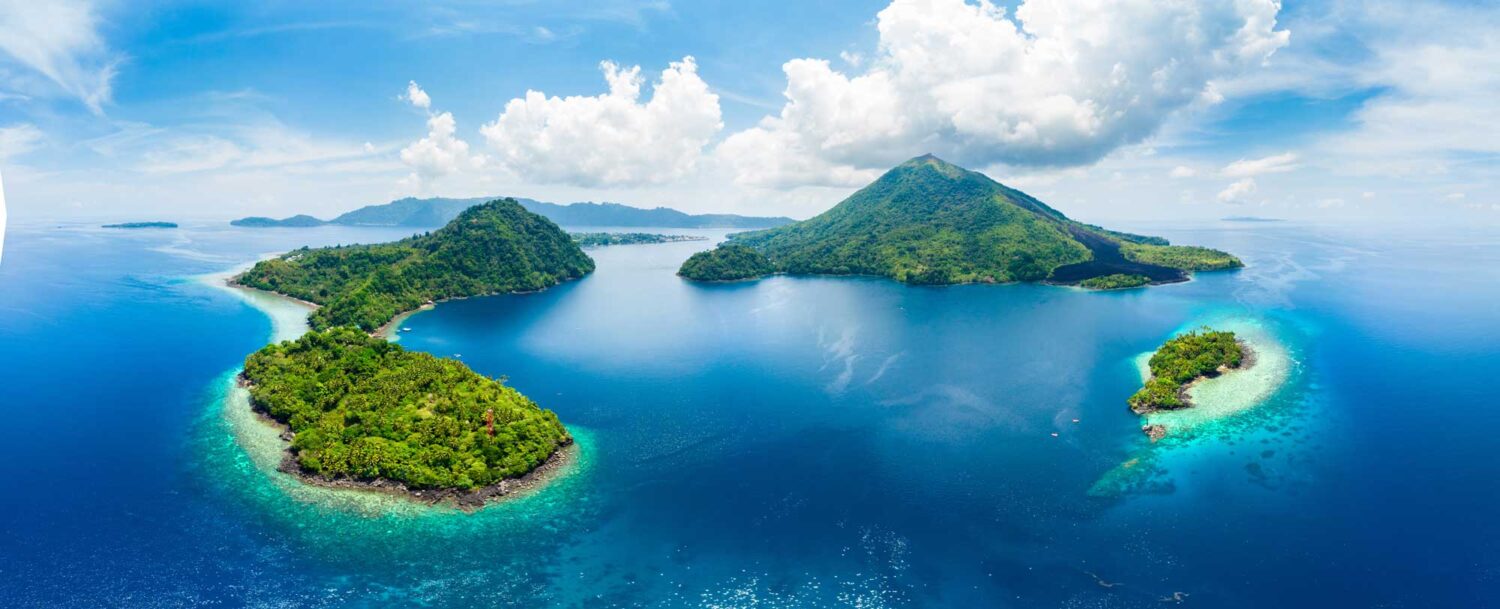
À l’horizon apparaissent des îles oubliées, des récifs perdus au milieu de l’océan comme Nil Desperandum, et des reliefs volcaniques façonnés par la puissance de la nature. Loin des grandes destinations touristiques, cette partie de la Mer de Banda révèle un visage plus brut de l’Indonésie : des terres sauvages, des villages isolés et des écosystèmes encore préservés.
C’est cette atmosphère unique qui définit l’Expédition Banda Sauvage : une aventure au cœur de l’une des dernières grandes frontières maritimes de l’Indonésie.
À la découverte des légendaires îles aux Épices
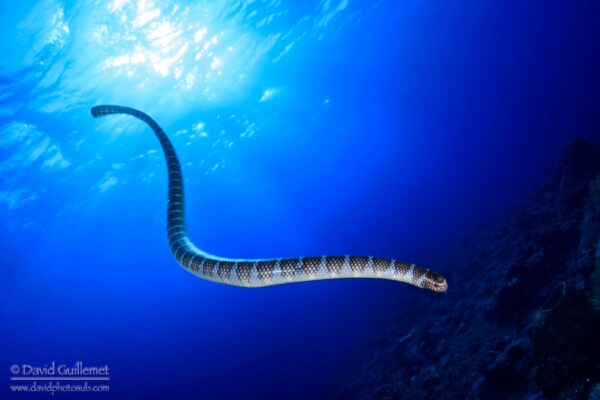
En poursuivant la navigation vers le nord, l’atmosphère de l’expédition change peu à peu. Après les paysages volcaniques isolés de Manuk et ses célèbres colonies de serpents marins, le Pinisi atteint progressivement les mythiques îles aux Épices.
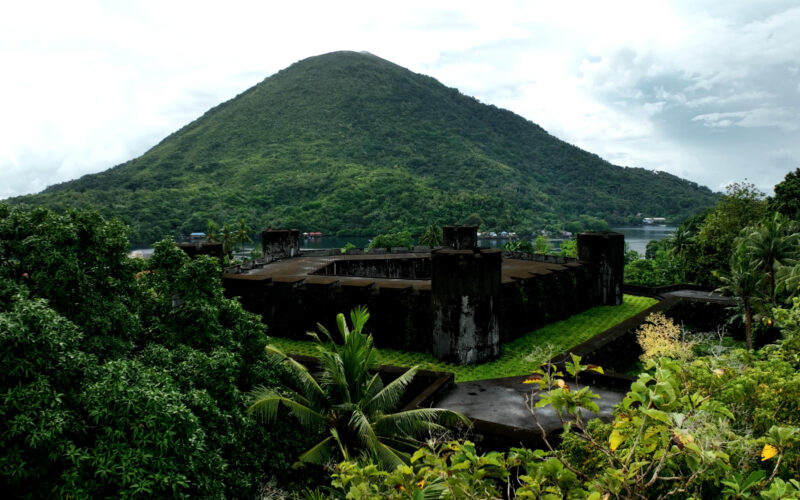
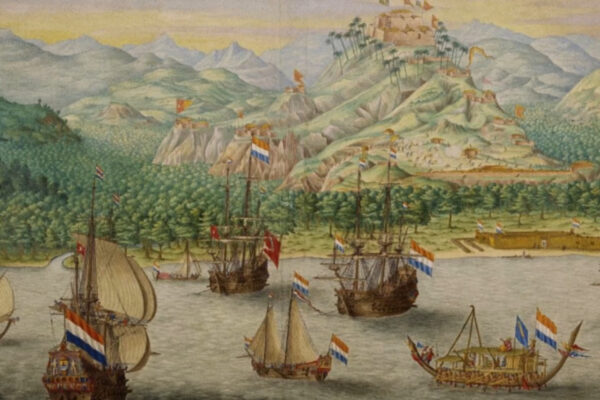
Après plusieurs jours passés au cœur de la Mer de Banda, l’arrivée dans le port paisible de Banda Neira marque un contraste saisissant. Dominée par le volcan Gunung Api, l’île dévoile un autre visage de cette région : celui de l’histoire, des anciennes routes commerciales et des cultures insulaires façonnées par le commerce des épices.
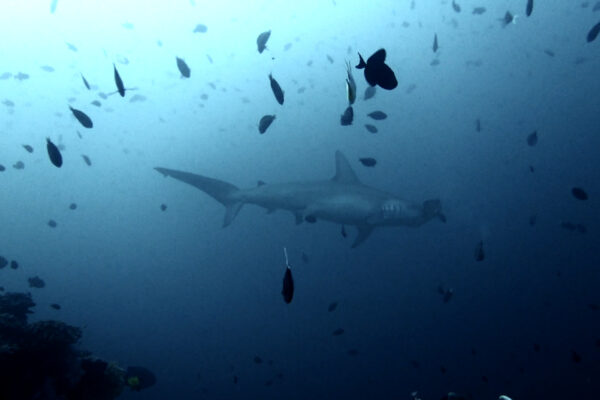
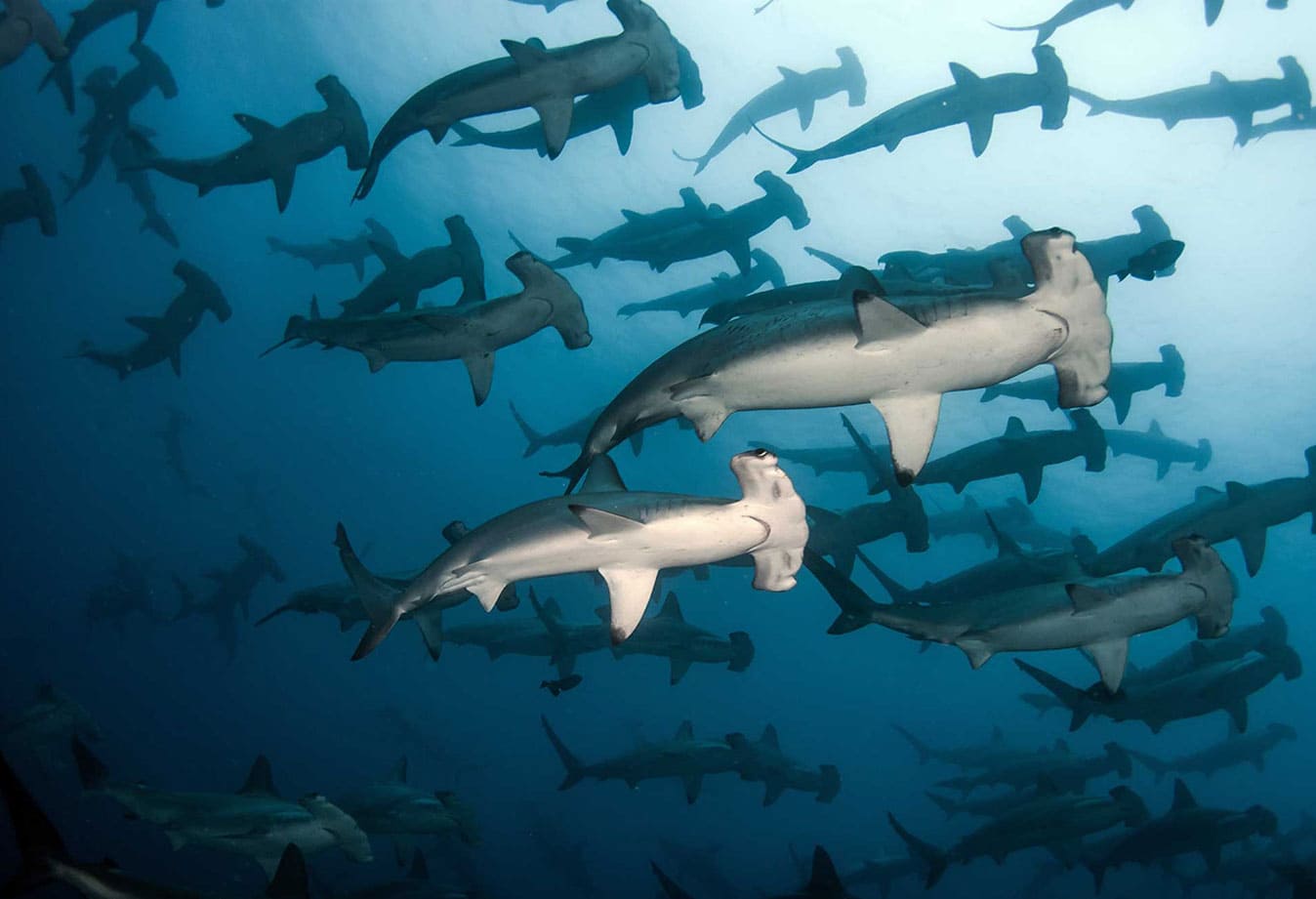
Les plongées autour de Suanggi offrent une dernière immersion dans les grands espaces de la Mer de Banda, avec ses récifs volcaniques et, selon les conditions, la possibilité de rencontrer les bancs de requins-marteaux halicornes qui ont fait la réputation du site.
Prolongez votre aventure à Ambon
Si vous souhaitez prolonger votre séjour en Indonésie, Ambon offre une autre facette de la plongée dans les Moluques. Après les grands espaces de la Mer de Banda, ses récifs côtiers et ses fonds riches en petites espèces proposent une expérience totalement différente.
Nous travaillons avec un resort Plongée que nous recommandons pour son confort et son emplacement face à la baie d’Ambon. C’est une option idéale pour se reposer quelques jours avant ou après l’Expédition Banda Sauvage, tout en découvrant l’un des hauts lieux du muck diving en Indonésie.
Le paradis indonésien du muck diving
Reconnue parmi les meilleures destinations de muck diving au monde, la baie d’Ambon est un terrain d’exploration privilégié pour les passionnés de macro et les photographes sous-marins. Contrairement aux récifs colorés de la Mer de Banda, ces plongées se déroulent sur des pentes de sable volcanique noir et dans des baies abritées, où des fonds en apparence simples révèlent une vie marine exceptionnelle.
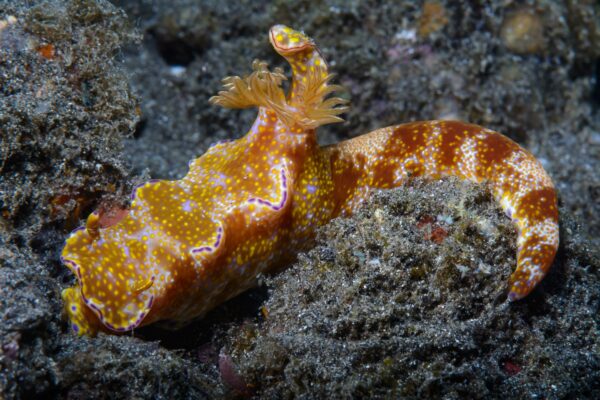
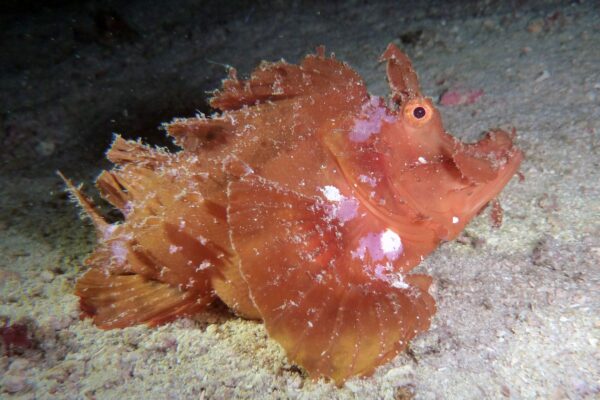
Rhinopias, poissons-grenouilles, seiches flamboyantes, poulpes mimétiques, hippocampes pygmées, poissons-fantômes et nudibranches font partie des trésors que les plongeurs attentifs peuvent découvrir. Ici, chaque immersion récompense la patience et le sens de l’observation.
Que vous souhaitiez arriver quelques jours avant l’Expédition Banda Sauvage ou prolonger votre séjour après votre retour à Ambon, nous pouvons organiser votre extension plongée dans cette région fascinante de l’Indonésie orientale.
Séjour minimum recommandé : 4 nuits.
CQFD
Cette expédition est-elle adaptée pour une première croisière plongée en Mer de Banda?
Absolument. L’Expédition Banda Sauvage a été conçue comme une première approche idéale de la Mer de Banda. Elle reste une véritable expédition vers des îles isolées, tout en comportant moins de longues traversées que nos itinéraires les plus longs. Elle combine les sites emblématiques de la région avec des récifs rarement visités, dans un bon équilibre entre aventure, confort et exploration.
Pourquoi l’appelons-nous « Expédition Banda Sauvage » ?
La partie sud de la Mer de Banda reste l’une des régions les moins explorées de l’archipel indonésien. Au-delà des îles aux Épices historiques, l’océan s’étend, les îles deviennent de plus en plus isolées et les croisières plongée se font rares. Ici, les récifs reculés comme Nil Desperandum, les îles volcaniques de Serua et Manuk et les villages traditionnels des îles oubliées donnent une véritable sensation d’exploration.
L’Expédition Banda Sauvage a été conçue pour faire découvrir cette région encore peu fréquentée de l’Indonésie, tout en intégrant les sites emblématiques de l’archipel des Banda. Une expédition qui réunit aventure, plongée d’exception et cette sensation particulière de s’éloigner des itinéraires habituels.
Expédition Banda Sauvage ou Expédition Spice Islands : laquelle vous correspond ?
Les deux expéditions partagent les légendaires îles Banda, mais proposent deux façons très différentes de découvrir la Mer de Banda.
L’Expédition Banda Sauvage est conçue comme une première découverte idéale de cette région encore préservée d’Indonésie. Au départ de Saumlaki, elle s’éloigne des itinéraires habituels pour explorer les récifs isolés de Nil Desperandum, les îles volcaniques de Serua et Manuk et les villages reculés du sud-est des Moluques, avant de rejoindre les mythiques îles aux Épices. Elle offre un équilibre entre aventure, plongée d’exception et découverte de l’histoire des Banda.
L’Expédition Spice Islands (Ambon – Ambon) se concentre, quant à elle, entièrement sur l’archipel des Banda. Elle laisse davantage de temps pour découvrir l’histoire maritime de Banda Neira, plonger autour de Gunung Api, Run, Ai, Karang Hatta et Suanggi, et profiter d’un itinéraire plus tranquille avec des navigations plus courtes.
Si vous découvrez la Mer de Banda pour la première fois et souhaitez combiner ses territoires les plus reculés avec ses sites de plongée emblématiques, choisissez l’Expédition Banda Sauvage. Si vous rêvez de vous immerger dans l’histoire et les trésors sous-marins des îles aux Épices, l’Expédition Spice Islands sera plus adaptée.
Aurais-je une chance de plonger avec des requins-marteaux ?
Oui, cette expédition passe par plusieurs sites réputés de la Mer de Banda pour leurs rencontres avec les requins-marteaux halicornes, notamment Nil Desperandum, Serua, Karang Hatta, Run Island et Suanggi (Jackpot). Comme pour toute rencontre avec des espèces pélagiques, rien ne peut être garanti. Notre responsable d’expédition adapte les plongées aux marées, aux courants et aux conditions locales afin de maximiser vos chances.
Cela dit, l’Expédition Banda Sauvage ne doit pas être choisie uniquement pour les requins-marteaux. Si votre objectif principal est d’observer de grands bancs de requins-marteaux, des destinations comme Cocos Island ou Malpelo offrent des rencontres plus régulières.
Voyez plutôt cette expédition comme un voyage à travers l’une des régions marines les plus isolées et les plus riches en biodiversité au monde. Les requins-marteaux viennent en quelque sorte couronner une aventure qui comprend aussi des récifs reculés, des îles volcaniques actives, des serpents marins, des jardins de coraux préservés, des villages isolés et les légendaires îles aux Épices.
Pourquoi l’île de Manuk est-elle connue des plongeurs avisés en Indonésie ?
Manuk est l’une des îles volcaniques les plus remarquables d’Indonésie. Elle abrite l’une des plus importantes concentrations de serpents marins du pays, de nombreuses colonies d’oiseaux et offre des plongées riches en pélagiques. Les bulles volcaniques qui s’échappent du fond créent une atmosphère sous-marine particulière, que l’on ne retrouve nulle part ailleurs dans la Mer de Banda.
Combien de nuits passe-t-on en navigation ?
Contrairement à nos expéditions les plus longues en Mer de Banda, les navigations sont réparties naturellement tout au long de l’itinéraire. Vous passerez cinq nuits en navigation, dont une seule implique une traversée de plus de 50 milles nautiques. Les autres trajets relient des îles plus proches et alternent avec des journées complètes de plongée, des visites de villages et des nuits paisibles au mouillage.
Quel niveau d’expérience en plongée est recommandé ?
Cette expédition s’adresse de préférence aux plongeurs expérimentés, à l’aise avec les plongées dérivantes et les conditions de courant variables. De nombreux sites se trouvent autour de récifs isolés et de pinacles océaniques où les courants peuvent changer au cours de la journée.
Un niveau Advanced Open Water (ou une expérience équivalente) avec au moins 50 plongées enregistrées est recommandé. Vous devez être un plongeur autonome pour participer à cette expédition.
Quelle est la température de l’eau et quelle combinaison prévoir ?
La Mer de Banda offre généralement une eau chaude, avec des températures comprises entre 26 °C et 28 °C tout au long de l’expédition. Une combinaison intégrale de 3 mm convient à la plupart des plongeurs. Si vous êtes sensible au froid ou prévoyez de participer à toutes les plongées, notamment celles du matin et au coucher du soleil, nous recommandons plutôt une 5 mm.
Malgré une eau chaude, l’enchaînement de plusieurs plongées par jour, les thermoclines occasionnelles autour des hauts-fonds et les récifs exposés au large peuvent progressivement refroidir le corps. Une sous-veste à capuche ou une cagoule légère peut également être appréciée par les plongeurs les plus sensibles au froid.
Quelle vie marine peut-on observer ?
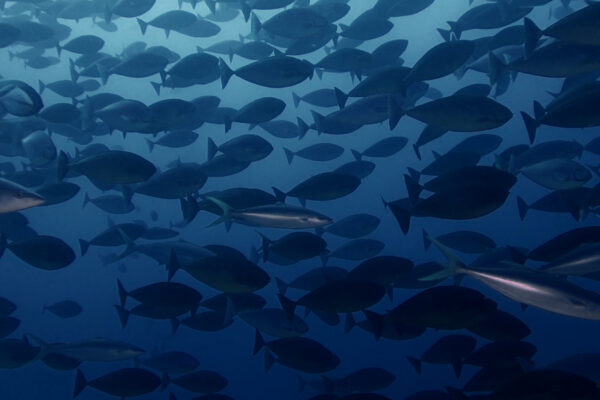
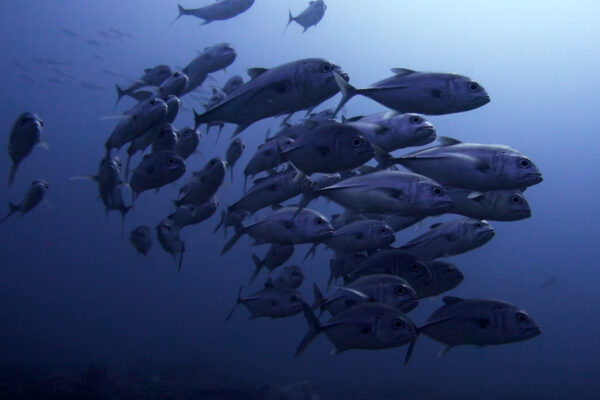
La Mer de Banda sauvage est réputée pour ses rencontres avec les grands pélagiques. Selon la saison et les conditions, les plongeurs peuvent croiser des requins-marteaux halicornes, thons à dents de chien, carangues géantes, napoléons, bancs de barracudas, perroquets à bosse et de grands bancs de poissons de récif.
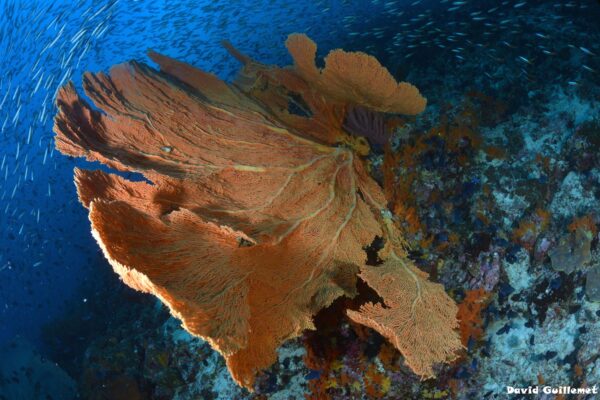
Manuk est également connue pour ses serpents marins, tandis que les îles Banda offrent des récifs coralliens remarquables et une biodiversité exceptionnelle.
Pourquoi l’expédition commence-t-elle à Saumlaki et se termine-t-elle à Ambon ?
Cet itinéraire suit la progression naturelle de la Mer de Banda. Commencer à Saumlaki permet d’accéder directement aux récifs isolés et aux îles oubliées du sud de la Mer de Banda, avant de rejoindre progressivement les îles historiques aux Épices et les liaisons aériennes internationales d’Ambon.
Comment rejoindre Saumlaki ?
Rejoindre Saumlaki n’est plus silmple, mais les correspondance sont fiable. Il suffit de prendre d’abord un vol en provenance de Jakarta pour Ambon, puis un vol intérieur vers Saumlaki le matin de l’embarquement. Notre équipe vous aidera à choisir les vols les plus adaptés et à coordonner vos correspondances avec le programme de l’expédition.
De nombreux voyageurs choisissent également de passer quelques jours à Ambon avant ou après l’expédition. Cela offre davantage de flexibilité pour les vols intérieurs et permet de découvrir l’un des meilleurs sites de muck diving d’Indonésie avant de rejoindre les eaux reculées de la Mer de Banda.
Puis-je combiner cette expédition avec un séjour à Ambon ?
Absolument. Nous recommandons vivement de prolonger votre séjour de quelques jours à Ambon. La baie est l’une des grandes destinations mondiales du muck diving sur sable volcanique noir, où les plongeurs et photographes recherchent rhinopias, poissons-grenouilles psychédéliques, seiches flamboyantes, poulpes à anneaux bleus, poulpes mimétiques et de nombreuses autres espèces rares.
Nous pouvons également organiser votre séjour dans l’un de nos centres de plongée partenaires de confiance.
Cette expédition est-elle adaptée aux photographes sous-marins ?
Oui, tout à fait. L’itinéraire offre de nombreuses possibilités en grand-angle, notamment avec les requins-marteaux, les serpents marins, les tombants et les paysages volcaniques, ainsi que de superbes récifs coralliens.
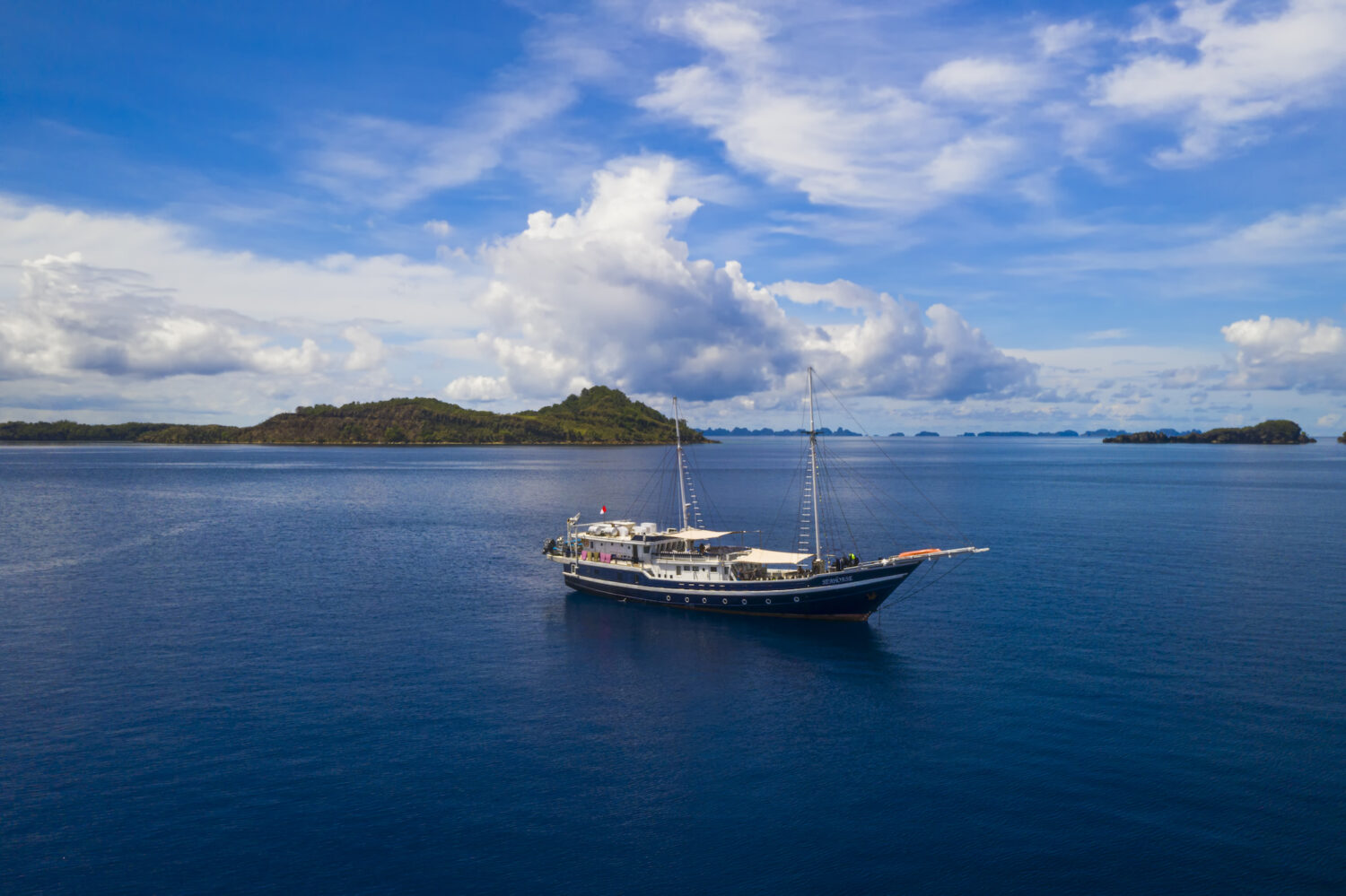
Le Seahorse est également habitué à accueillir des photographes sous-marins. Le bateau dispose de bacs de rinçage dédiés pour le matériel photo, ainsi que d’un espace adapté pour le montage et la préparation des appareils. Des zones de charge sécurisées permettent également de recharger votre matériel entre les plongées.
Pour les amateurs de macro, il est possible de prolonger le séjour à Ambon et de découvrir l’un des grands sites mondiaux de muck diving.